There's a moment every new collector goes through — you pull a card from a pack and you're not sure if it's worth celebrating or if it's just another filler you'll trade away. That confusion usually comes down to not knowing the rarity system, and in YuGiOh, that system is genuinely one of the most complex in the hobby. Konami has been printing cards since 1999 and over the decades they've layered on foil treatments, special printings, and anniversary variants to the point where even seasoned collectors sometimes have to squint at a card under a light just to be sure what they're holding.
This guide walks through every rarity currently tracked in our database. For each one I've included a real card example pulled from actual listings so you can cross-reference a specific productId if you ever need to look one up.
Common
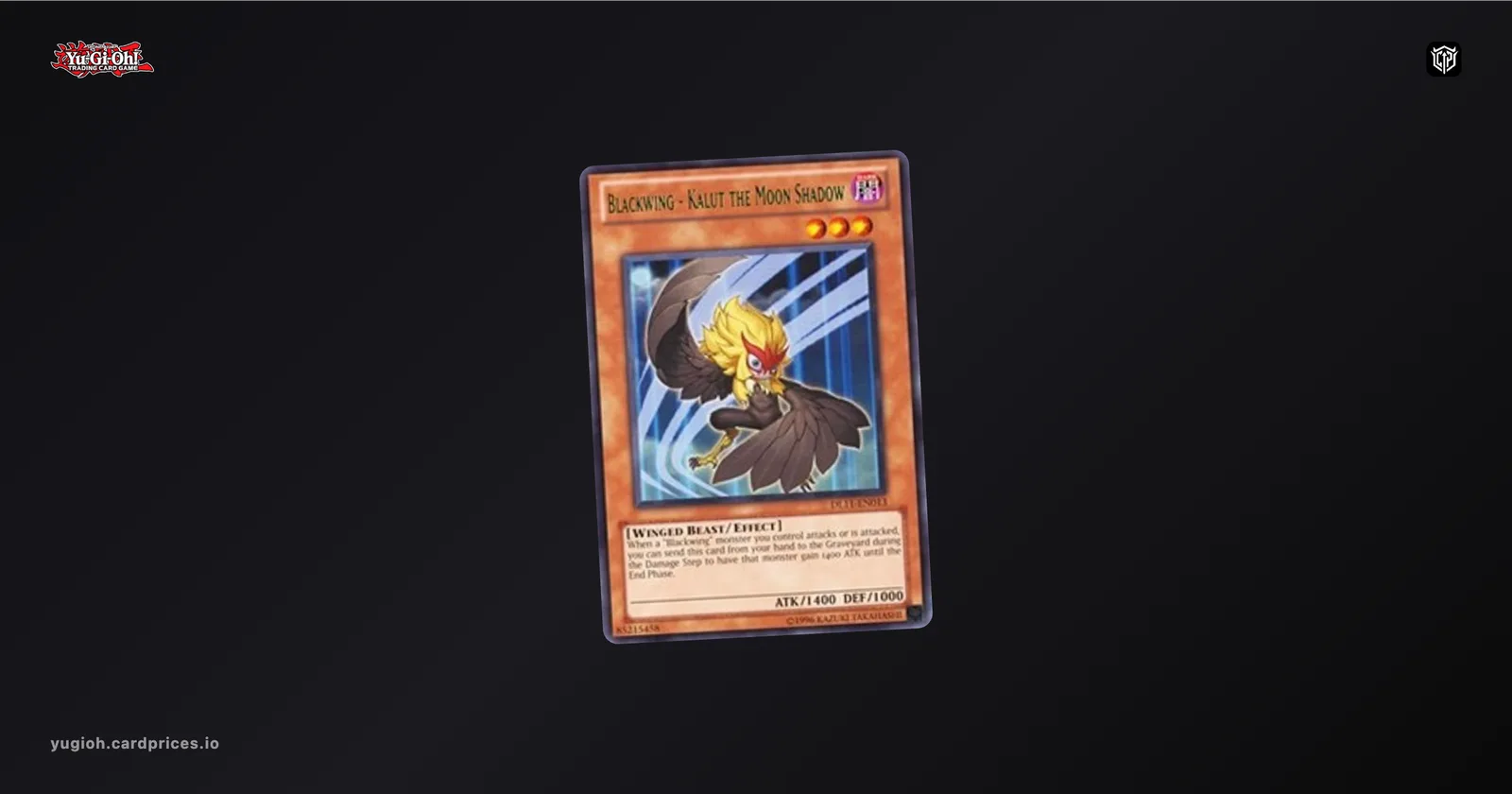
The most basic print. Common cards have a plain white card name with no foil treatment on the artwork, border, or text. When you hold one up to the light and tilt it, nothing catches. The card stock feels the same as everything else in the set, there's just no sparkle anywhere.
Commons make up the bulk of any booster box and most players overlook them entirely, but some of the most played cards in the game — hand traps, staple spells, board-breakers — print at Common. Don't sleep on them.
Rare
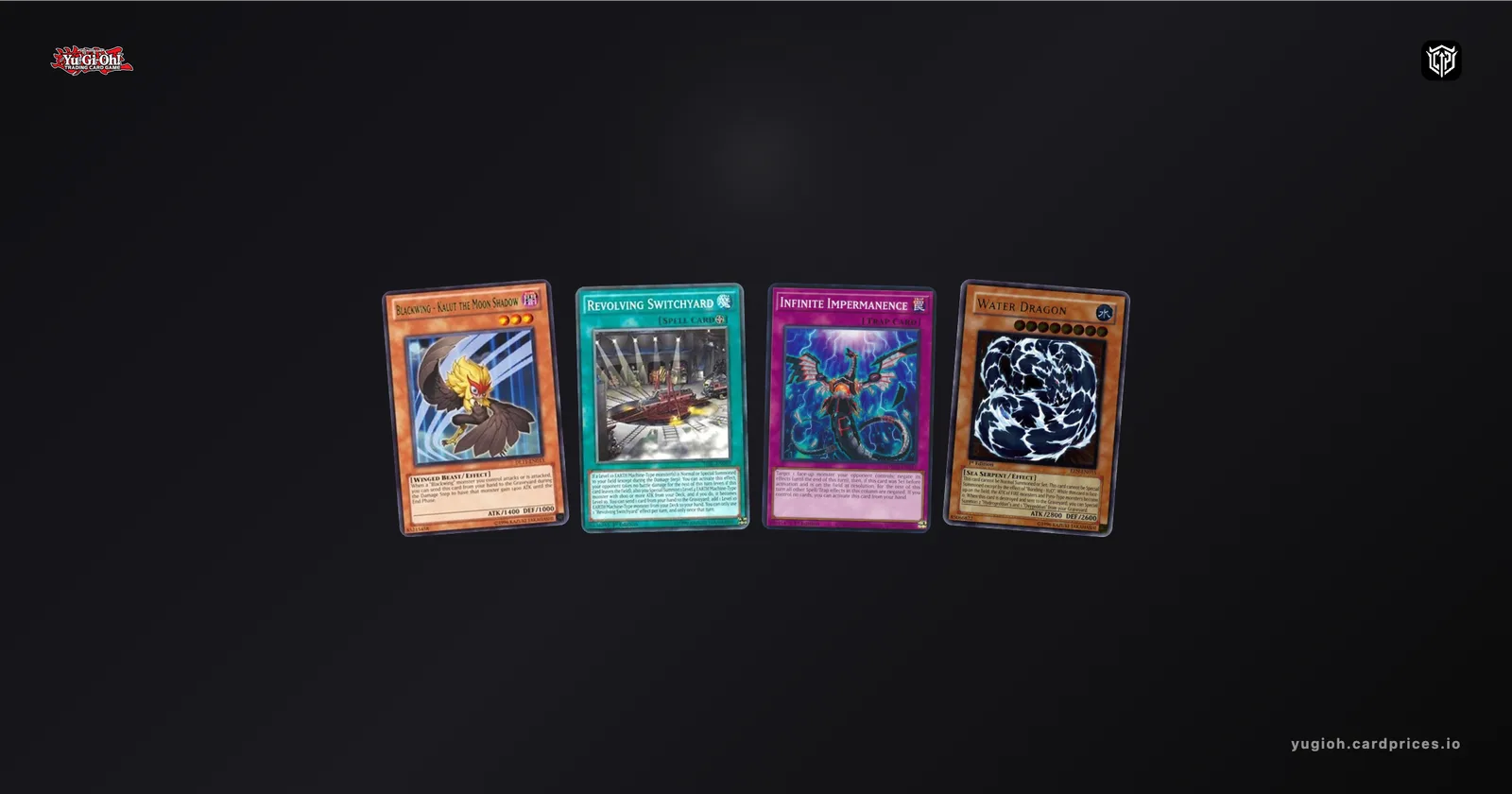
The first step up from Common, Rare cards have a silver foil treatment on the card name only. The artwork and everything else stays flat. It's a subtle difference and under bad lighting you can actually miss it, but tilt the card and the name will catch the light while the art stays matte.
Rare is still the most "budget" of the foil treatments, but plenty of important cards have printed at this rarity throughout the game's history.
Super Rare
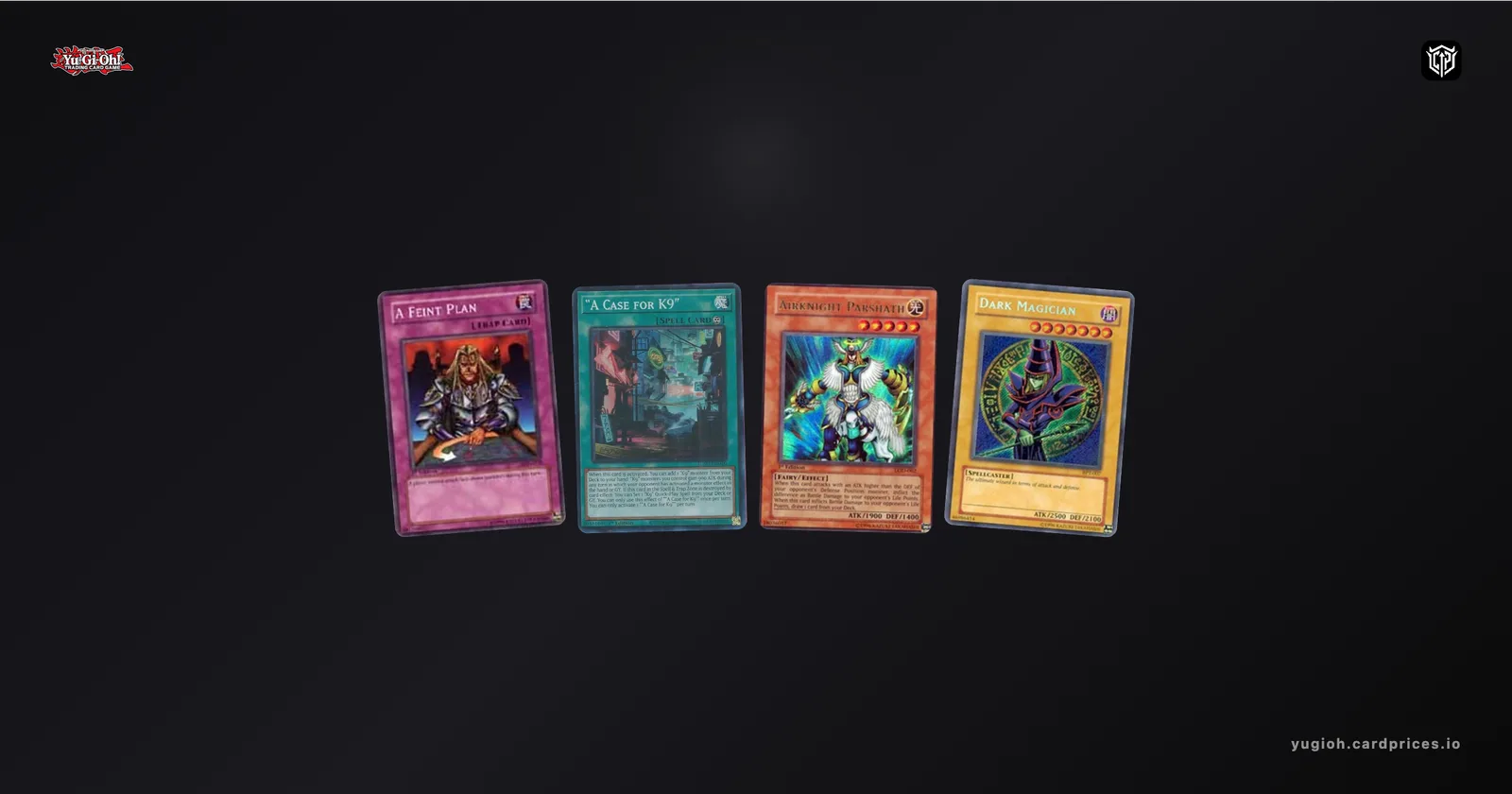
Super Rares have a holographic foil on the artwork itself. The card name stays in the same silver foil as a Rare, but the image inside the card window has that layered sparkly texture that shifts as you move it. Up close you can see a fine dot pattern across the whole art — that's the foil substrate underneath.
These are the first cards where the artwork actually feels premium. Super Rares were one of the more exciting pulls back in the early sets and they still hold up as a solid mid-tier rarity.
AD
Ultra Rare
Ultra Rares step things up with gold foil on the card name plus the full holographic art treatment from Super Rare. The name in gold is the immediate tell — it's noticeably warmer and more premium-looking than the silver you see on Supers and Rares.
Ultra Rare was for a long time the "chase" rarity in most mainstream sets. The majority of meta staples over the decades have debuted at Ultra Rare, and a lot of collector attention still centers on this tier.
Secret Rare
Secret Rares are the high-end rarity in standard sets. The card name is in silver, not gold, but the art uses a fine diagonal holographic pattern — often called "diagonal lines" or "laser lines" — that you can see clearly when you tilt the card. The effect is different from a Super Rare's dots; it has that cut-crystal feel that immediately signals something special.
The silver name combined with the diagonal foil art is a combination unique to Secret Rares in the main rarity system, which makes them pretty easy to identify once you've held one.
Ultimate Rare
Ultimate Rares are the most tactile rarity in the game. The card text, borders, card name, and even the level stars are embossed — you can actually feel the raised texture when you run your finger across the card. The artwork has a different foil texture than a regular Secret Rare; it's more of an etched look rather than the diagonal line pattern.
These came primarily from early-to-mid 2000s sets as the "super-premium" pull before Ghost Rare existed. They're unique enough that once you feel one, you don't forget the sensation.
AD
Ghost Rare
Ghost Rares are the most visually striking cards Konami has ever printed. The art is almost completely white — hollowed out and ghostly — with only the outline and a few color details remaining. The foil substrate gives it a three-dimensional, holographic depth that changes dramatically depending on the angle and light source. Under direct light it can look nearly blank, but tilt it and the image practically leaps out.
They're unmistakable. Once you've seen one, you'll never mistake it for anything else. They're also among the rarest pulls in the sets that include them.
Gold Rare
The Gold Rare treatment appeared in the Gold Series and has a distinctive gold-bordered card frame with gold foil on the card name and artwork. The entire border of the card is that rich gold color, making it look more like a trophy than a card. The art foiling is dense and metallic rather than the transparent holographic look of a standard Super or Ultra.
Gold Series cards were special printings of older staples, so if you see a card from a set coded GLD or similar, you're probably looking at a Gold Rare.
Ghost/Gold Rare
The intersection of Ghost Rare and Gold Rare. These appeared in Gold Series 5: Haunted Mine and combine the hollowed-out Ghost Rare artwork with the gold-bordered Gold Rare frame. So you get the ghostly washed-out art but inside a premium gold border. It's an odd combination when you first see it but immediately recognizable once you understand both parent rarities.
Gold Secret Rare
Premium Gold is Konami's take on a fully gold-coated print treatment. Gold Secret Rares have a gold-bordered frame like Gold Rares, but the art uses the diagonal foil pattern from Secret Rares rather than the flat metallic treatment. The name is also in gold. These came out of the Premium Gold sets and are generally considered some of the most visually impressive prints in the game.
AD
Platinum Rare
Platinum Rares have a silver-coated card frame — different from the gold of Gold Series cards. The card name, border elements, and certain details are done in a platinum/silver metallic finish that looks almost like a manufacturing sample. These came from the Noble Knights of Round Table set and are relatively scarce just by virtue of how limited that product was.
Platinum Secret Rare
A newer addition that debuted in the Rarity Collection sets. These combine a platinum metallic frame treatment with the diagonal foil art of a Secret Rare. The result is a card that looks almost chrome — the platinum border and Secret foil art together give it an ultra-premium feel that photographs well and stands out immediately in a binder.
Premium Gold Rare
Premium Gold Rare appeared in the 25th Anniversary and more recent premium reprint sets. Unlike earlier Gold Rares, these have an ultra-deep metallic gold treatment covering the entire card surface including the art — it's closer to a fully gold-dipped look. The card looks literally gold under light. These are some of the most impactful visual printings Konami has done.
Starfoil Rare
Starfoil Rares are from the Battle Pack sets. The art has a foil treatment made up of tiny star-shaped patterns across the entire artwork. It's different from the normal dot pattern of Super Rares — the stars are larger and more obvious. These were Konami's mass-market attempt at a "budget holo" for the sealed draft format, so they're fairly common to find.
AD
Shatterfoil Rare
Battle Pack 3's version of the foil treatment. Instead of stars, the art foil has a "shattered glass" or fractured crystal pattern. The pieces are larger and more angular than the star pattern, giving it a cracked-earth or broken-mirror aesthetic. Again, these were print-to-demand-ish for the draft format.
Mosaic Rare
Mosaic Rares from Battle Pack 2 use a tile-like foil pattern across the art — small square-ish sections that create a mosaic effect. Same idea as Starfoil and Shatterfoil but with a geometric grid pattern instead.
Parallel Rare
Parallel Rares are mainly found in older promo tins, regional prize cards, and some older products. The foil covers the entire card surface — art, name, text box, border — with a fine parallel-line pattern that gives the whole card a consistent silver shimmer. The effect is subtle compared to modern foil treatments but distinctive.
Prismatic Secret Rare
These are older cards where the Secret Rare's diagonal foil art is replaced with a more colorful prismatic rainbow effect — it catches multiple colors as you tilt the card, similar to a holographic sticker. These predate some of the current foil technologies and have a very distinct old-school feel.
AD
Collector's Rare
Collector's Rare debuted in the Toon Chaos set and gives the card a colorful, oil-slick rainbow foil pattern across the art. It's distinct from Starlight (which we'll get to) but similarly eye-catching. The art shifts through multiple colors depending on the angle and the foil has a bit more texture than a standard holo.
Prismatic Collector's Rare
From the Rarity Collection sets, this combines the Collector's Rare foil style with the Prismatic treatment — the result is a more intense, deeper rainbow pattern with higher contrast shifts between colors. Compared to a standard Collector's Rare, the prismatic version looks brighter and more saturated in its color range.
Prismatic Ultimate Rare
Another Rarity Collection exclusive, this takes the tactile embossed treatment of an Ultimate Rare and layers a prismatic rainbow foil over the art. So you get the raised texture of an Ultimate combined with the colorful light shift of the Prismatic treatment. One of the most complex print jobs Konami has done.
Starlight Rare
The current "chase" rarity in premium sets. Starlight Rares have a full-card prismatic foil treatment — the entire card surface, including the card frame, text box, and artwork, catches light and displays a rainbow of colors as you tilt it. It's significantly more dramatic than even a Secret Rare. The foil pattern is finer and more iridescent than a Collector's Rare.
These are typically 1-per-box or rarer pulls and command some of the highest prices in current YuGiOh collecting.
AD
Emblazoned Secret Rare / Emblazoned Ultra Rare
A newer treatment from the 25th Anniversary sets. These have a full-art frame where the illustration extends to the card borders, similar to modern Pokémon full-art cards but in YuGiOh's style. The Secret Rare version uses the diagonal foil pattern on the extended artwork, while the Ultra version uses gold foil on the name with the same artwork treatment.
Quarter Century Secret Rare
Introduced for YuGiOh's 25th anniversary. These have a gold-colored card frame (different from standard gold treatment — it's more of a warm antique gold) combined with the Secret Rare's diagonal foil art. The "25" anniversary mark is usually present somewhere on the card. These were printed for high-profile cards to celebrate the milestone.
Secret Pharaoh's Rare / Ultra Pharaoh's Rare
From the King's Court and related sets celebrating the original series. These have a Pharaoh-themed card frame with Egyptian-style gold ornamental elements around the border. The Pharaoh's Rare variant of the Secret tier uses the diagonal foil on art, while the Ultra version uses the gold name treatment. The framing is what separates these from standard Secret/Ultra.
10000 Secret Rare
A one-off rarity created specifically for the BLAR (Battles of Legend: Armageddon) set. Only one card exists at this rarity in that set — Ten Thousand Dragon, a card that references the game's 10,000th card milestone. It uses an over-the-top Secret Rare foil with gold and a card number of EN10K. There's no other card at this rarity — it exists purely as a collector's item commemorating the milestone.
AD
Duel Terminal Cards
The Duel Terminal was an arcade machine found in card shops and hobby stores in the late 2000s and early 2010s. Cards dispensed from these machines have a distinctive parallel foil pattern that covers the entire card, often described as looking slightly washed-out or compressed compared to regular foils. The rarity tiers mirror the main set structure (Normal Parallel = Common tier, Rare Parallel = Rare tier, etc.) but the foil is noticeably different.
The Technology variants (HAC1 set) from the Hidden Arsenal: Chapter 1 product recreate these Duel Terminal cards in a modern print with updated foiling. These are the only other place you'll see the DT foil outside of actual arcade dispensed cards.
Promo
Promo cards come from a wide range of sources — tournament prizes, magazine inserts, event distributions, prerelease kits, and promotional bundles. There's no single visual identifier for Promos since the print quality and foiling varies by product, but most carry a "Promo" stamp or come in distinctive packaging. Card numbers often start with "P" or have a promo-specific code.
YuGiOh's rarity system is more layered than any other TCG in the hobby, and that's part of what makes collecting it so deep. When you're evaluating a card, always consider the rarity in the context of where it was printed — a Secret Rare from a recent premium set has a completely different market profile than the same card at Secret Rare from a 2002 booster. The rarity tells you the tier, but the set and era tell you the rest.